
Considerations when Choosing a Memorial Urn
Choosing a memorial urn is a deeply personal and meaningful decision. It presents an opportunity to honour and celebrate the life of a loved one in a way that reflects their unique character and legacy. There are many factors to consider when selecting the right urn, from aesthetic appeal to the practicalities of size, material, and intended use. Below, we explore the key elements that can help guide you in choosing a memorial urn that feels both appropriate and lasting.
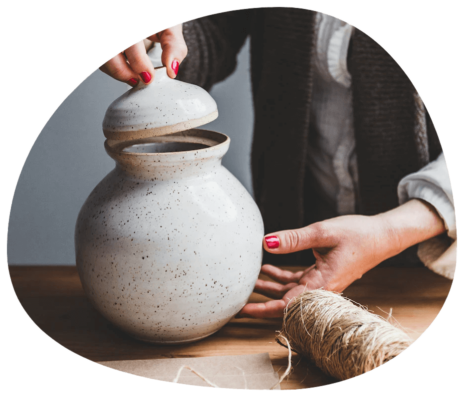
1. Aesthetic: Reflecting Their Character and Uniqueness
The memorial urn you choose should embody the personality, passions, and spirit of the individual it represents. Think of it as a tribute not just to their life, but to who they were. Whether they had a love for nature, a taste for the refined, or a preference for simplicity, the urn can reflect those qualities in a quiet and meaningful way.
There are many styles available, from ornate to minimalist, rustic to contemporary, each offering a different expression of remembrance. By choosing an urn whose aesthetic resonates with their essence, you create a memorial that feels both personal and enduring. For many families, the right urn for ashes is one that feels as considered and individual as the person it honours.
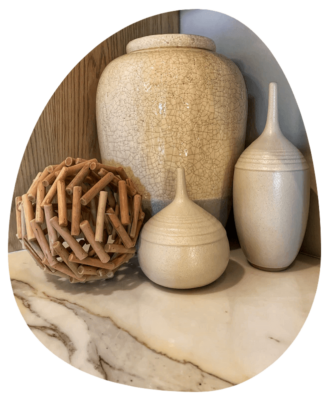
2. Size: Choosing the Right Urn Capacity
Size is primarily a practical consideration, though it can also shape how the urn feels within the home or place of remembrance. The average volume needed for the complete ashes of an adult is around 3.5 litres, or approximately 200–215 cubic inches, though this can vary depending on the individual. As a general guide, 1 kg of body weight requires around 0.036 litres of urn capacity, while 1 pound of body weight requires around 1 cubic inch of space.
If you are planning to share the ashes among family members, scatter a portion in a special location, or keep only a smaller amount at home, a medium size urn or keepsake urn may be more appropriate.
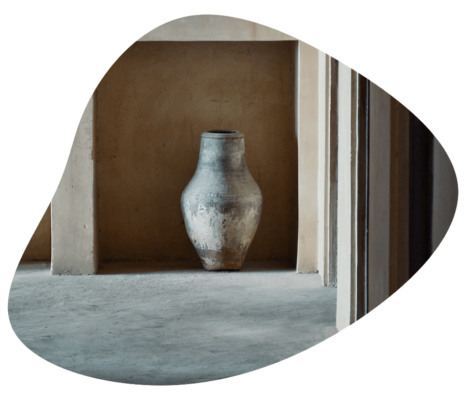
3. Purpose: Understanding Its Role
Before selecting an urn, it is important to consider its intended purpose. Will it be displayed in the home as a memorial? Will it be placed in a columbarium niche, buried, or used for scattering? Will part of the ashes be shared among family members? Understanding how the urn will be used can help guide your choice of size, material, and design.
If the urn will be kept in the home, you may want to choose something that sits comfortably within its surroundings and can be displayed as a thoughtful reminder. For burial or scattering, more practical considerations may come into play, including the material and whether a biodegradable option is needed. The intended purpose will often help determine which type of memorial urn or cremation urn feels most suitable.
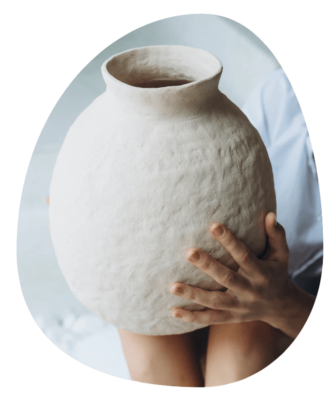
4. Materials: Symbolism and Durability
The material of the urn influences both its appearance and its practical qualities. Common materials include wood, metal, ceramic, and biodegradable options. Each brings its own symbolism, character, and texture.
A wooden urn may evoke warmth and natural simplicity. A metal urn can suggest strength and permanence. Ceramic urns are often associated with artistry and craftsmanship, making them especially suited to contemporary memorials and home display. Biodegradable urns may be a fitting choice for those who felt closely connected to nature and sustainability.
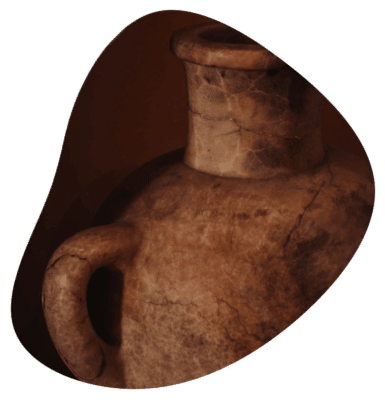
5. Permanence: Considering Long-Term Intentions
Another important consideration is how permanent you would like the memorial to be. Some urns are designed for long-term preservation and are intended to keep ashes safe for generations. Others are created with biodegradability in mind, offering a gentler return to the earth over time.
The level of permanence you choose will depend on the individual’s wishes, the family’s needs, and the form of remembrance you feel is most appropriate. Whether you choose a long-lasting urn or one designed to break down naturally, it is helpful to ensure that the urn’s longevity aligns with its intended use.
Conclusion
Choosing a memorial urn involves both practical and emotional considerations. By thinking carefully about aesthetic, size, purpose, material, and permanence, you can select a meaningful tribute that reflects the uniqueness of your loved one.
Whether you choose a full-size urn or a keepsake urn for ashes, it is the thoughtfulness behind the decision that makes the memorial lasting and meaningful. For more guidance on urn size and internal volume, you can also find further information in our FAQs or explore our full collection of memorial urns here.