Category Archives: blog

The Future of Farewells

path to future

The Future of Farewells

5 Ways the Funeral Industry is Evolving

What happens when tradition meets transformation in how we say goodbye

future of farewells path

The way we approach death is shifting, quietly, but significantly. From digital planning tools to eco-conscious burials, the funeral industry is undergoing a transformation that reflects broader changes in how we live, connect, and remember. To better understand what’s driving this evolution, we spoke with The Farewell Guide, an independent platform that helps people plan more personal goodbyes, offering features such as end-of-life planning and funeral director comparison tools. Drawing from their experience working directly with families and funeral providers, they offered insight into how traditions are changing, and why that might not be a bad thing. In this piece, we explore five key ways the modern farewell is being redefined.

1. Planning Goes Digital

Death has long been something we manage offline, phone calls, pamphlets, awkward in-person appointments. But today’s generation of planners expect more intuitive, tech-friendly tools. Enter independent online platforms that centralise funeral information, costs, and services in one place.

As The Farewell Guide puts it:

It used to be the case that you would have to get a spreadsheet up and a list of phone numbers to be able to get a clear picture of what’s out there when it comes to funeral providers, now all you need is one website and a few clicks.”

Digital planning doesn’t just streamline logistics, it gives families space to think, to breathe, and to make more informed, less rushed decisions. And for funeral directors, it means receiving more thoughtful, well-prepared enquiries, rather than last-minute panic calls.

2. Goodbye Cookie-Cutter

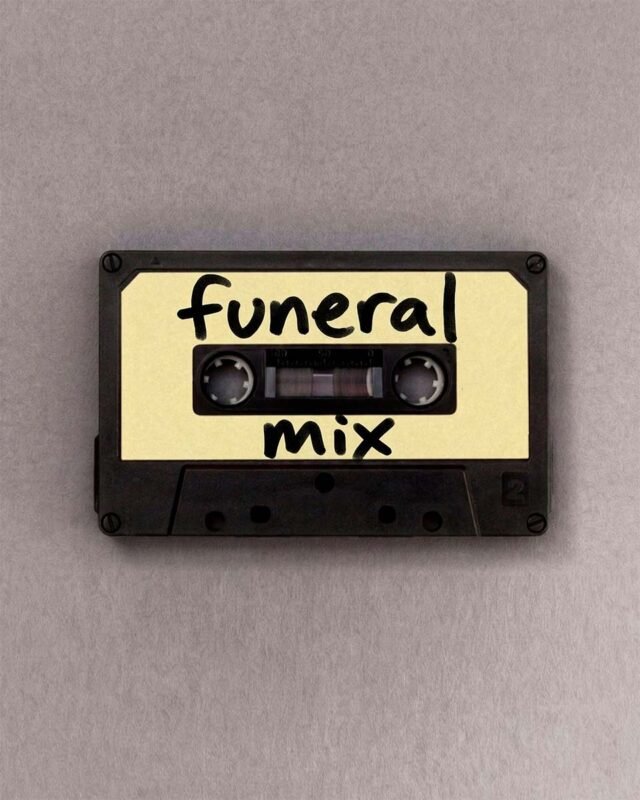
From curated playlists to location-specific ceremonies, families are rewriting the rules of the farewell. The idea that a funeral must follow a somber, uniform script is losing ground. What matters now is meaning.

One example shared by The Farewell Guide stood out:

One family used our planning tools to create a playlist of their dad’s favourite songs for his service. Every track told a story; the one he danced to with their mum, the one he always played on Sunday mornings. It turned the ceremony into something that felt full of life and warmth.”

These choices, music, readings, locations, aren’t just embellishments. They’re emotional anchors. And in many cases, they’re what people remember most.

3. The Quiet Rise of Direct Cremation

For those seeking a simpler farewell, direct cremation is becoming an increasingly common choice. With no service beforehand, it offers an alternative to the traditional funeral format, and can be particularly helpful for families navigating distance, timing, or budget constraints.

The Farewell Guide raised some considerations around this growing trend, often chosen as a “no-fuss” option to reduce both cost and complexity for loved ones. While it can be a thoughtful and practical decision, it’s also worth reflecting on what kind of goodbye might offer comfort and closure for those left behind.

While there’s no formal service beforehand, many families still choose to mark the loss in their own way, through informal gatherings, shared meals, or other moments of reflection. The structure may be looser, but the sentiment remains.

4. Greener Goodbyes

With climate concerns growing, sustainability is now influencing even our final decisions. Biodegradable urns, woodland burials, and eco-friendly alternatives like hydro cremation, significantly reducing carbon emissions and energy use, are seeing more interest from those who want to tread lightly, right to the end.

People are now asking “What kind of legacy are we leaving behind?” That shift reflects a broader desire to make life (and death) more aligned with personal ethics and environmental awareness.

5. Grief Goes Online

As much of life moves online, so too does remembrance. Digital memorial pages, livestreamed funerals, and online guestbooks are becoming increasingly common, offering connection for those who can’t be there in person, or prefer to engage with grief in quieter, more private ways.

The Farewell Guide points out that online tools can actually bring people closer, not further apart, and highlights the value of embracing these evolving forms of farewell.

From social media tributes to shared photo albums and digital legacy platforms, new spaces for mourning and memory are emerging, reminding us that grief, like love, often finds its own way.

A Changing Industry, A More Human Farewell

These changes aren’t just logistical, they’re cultural. They reflect a growing desire to reclaim the narrative around death, to shape goodbyes that feel honest, and to make space for emotional truth over formality. Whether it’s a minimalist cremation or a carefully crafted memorial in the woods, today’s funerals are becoming less about rules and tradition, and more about resonance.

In the end, it’s about finding a way to say goodbye that feels meaningful, personal, and true to the person being remembered.

To find out more about The Farewell Guide, visit https://www.thefarewellguide.co.uk/

Photography by Dead Good Legacies

Decoding Our Digital Legacy

When we die, what happens to our digital selves?

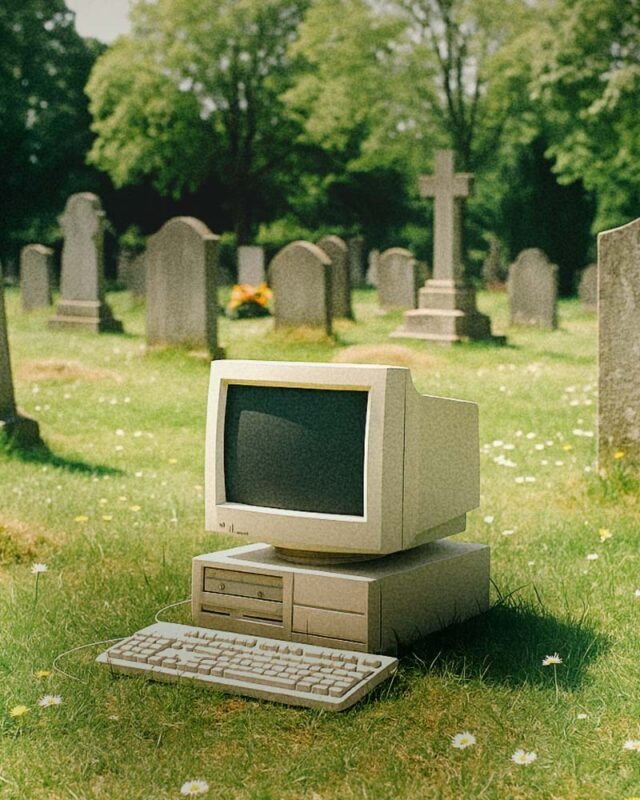
There was a time when we left behind little more than boxes of letters, family photo albums, or perhaps a few treasured heirlooms. Now, each of us carries a far larger legacy in the digital world, our social media profiles, messages, playlists, photos, blogs, and bits of ourselves scattered across the internet. When we’re gone, this online presence remains, like an echo. But what does that really mean for those we leave behind? And for us, while we’re still here?

desktop computer graveyard digital death social

Do our digital lives help us stay connected after death?

Many people find comfort in the digital traces of a loved one. Visiting a memorialised Facebook page or scrolling through old Instagram posts can feel like sitting quietly with their memory. Friends write messages on birthdays or anniversaries, sharing stories and keeping the person part of their lives. In this way, our digital legacy can become a kind of modern remembrance, a space where grief meets connection, and love continues beyond loss.

Yet it can also be bittersweet. Seeing a loved one’s name pop up in “memories” or reminders can stir fresh waves of longing. It’s natural to wonder: does this digital presence help us heal, or does it keep us tethered to what we have to let go?

social death digital media

Who tells our story when we’re gone?

Our digital legacy raises gentle but profound questions about ownership and memory. Who should decide what happens to our online lives? Our families? Friends? The platforms where our data lives? Without guidance, these decisions can be complicated and painful.

At its heart, this is really a question of legacy: how do we want to be remembered, and who do we trust to carry that memory forward? When we take time to think about it, we offer our loved ones a final kindness, the clarity to honour our wishes without uncertainty.

digital memorial

Can technology offer new ways to remember?

The tools of remembrance are changing. AI now allows us to create digital memorials that speak in the voice of the person we’ve lost, or virtual spaces where family and friends can gather across continents. In South Korea, a grieving mother spoke through VR to an avatar of her daughter, a chance for one last conversation, one final goodbye. Around the world, people light virtual candles, post playlists of songs that meant something, or build digital time capsules for future generations.

These new possibilities offer comfort and connection, but they also ask us to reflect: when does technology bring us closer to memory, and when does it risk turning memory into illusion?

hologram hologram vr memory memorial digital death

Looking ahead: what might the future hold?

As technology evolves, so will our digital legacies. We may see AI companions that keep a person’s spirit present in daily life, or blockchain-protected memory vaults that preserve our stories for centuries. Virtual and augmented reality could let future generations step inside our lives, walk through our homes, hear our voices, and see the world through our eyes.

The possibilities are extraordinary. But as we build these new ways to remember, we’ll also need to ask what they mean, for grief, for memory, and for the very idea of saying goodbye.

blockchain legacy death memorial

Is a digital legacy good for us, as people and as a society?

In the end, this is the quiet question at the heart of it all. Does having a digital legacy help us, as individuals, to process loss and keep love alive? Does it help us, as a society, to remember, to connect, to honour those who came before? Or might there come a point when these ever-present digital echoes make it harder to let go, to move forward, to live fully in the present?

There are no easy answers. But by asking these questions, and by thinking carefully about the kind of legacy we want to leave behind, we can shape a future where technology serves memory with tenderness, and where our stories, online and off, are carried with love.

10 Unique Ideas for Cremation Ashes

10 unique ideas for cremation ashes urn studios resting reef memorial ashes

10 Unique Ideas for Cremation Ashes

Cremation offers a wide range of options for honouring a loved one’s memory in ways that feel deeply personal and significant. Whether you prefer traditional methods or unique and creative alternatives, there are no defined rules or limits with regard to celebrating lives and legacies. In this guide, we explore various options, including less conventional approaches that reflect the progressive ethos we embrace at urn studios.

1. Keep the Ashes in a Handmade Memorial Urn

A timeless and intimate choice, storing ashes in a beautifully crafted urn allows you to keep your loved one close. At urn studios, our collection of handmade urns is designed by talented UK-based artists, ensuring each piece is unique, meaningful, and a true celebration of individuality.

Sacred Stones Memorial Stone Barrow Niche Candlelight

2. Memorialise in a Burial Barrow

Burial barrows provide a sacred and communal resting place for ashes. Both Holly Barrow & Sacred Stones create beautiful, hand-crafted stone burial barrows in serene countryside settings, where ashes can be interred in niches. This ancient-inspired yet modern approach offers a peaceful place for reflection and remembrance.

Vinyl Record Ashes Memorial Cremation Ideas

3. Transform Ashes into a Vinyl Record

For music lovers, turning ashes into a playable vinyl record is a creative and deeply personal way to memorialise a loved one. Companies like And Vinyly press ashes into vinyl records that can include favourite songs, personal messages, or even audio of your loved one’s voice. This option offers a lasting tribute that captures memories in sound, blending nostalgia and innovation.

Keepsake Urn for Ashes

4. Divide Ashes Among Family Members

Did you know that not all urns are designed to hold a full set of ashes? Many people choose to share their loved one’s ashes among family and close friends, allowing for a tangible way to honour their memory. Keepsake urns are designed to keep a small portion of the remains, providing a meaningful way to keep a piece of your loved one close.

Astrophotography Remembrance Urn Memorial Space

5. Send Ashes into Space

For those with a love of the cosmos, sending ashes into space offers a truly out-of-this-world tribute. Services like Celestis provide options for launching ashes into orbit, sending them to the moon, or even propelling them into deep space. It’s a unique way to honour a loved one’s adventurous spirit while contributing to a celestial legacy.

Resting Reef Memorial Urn Ashes Coral Dive Bali

6. Build a Coral Reef Memorial

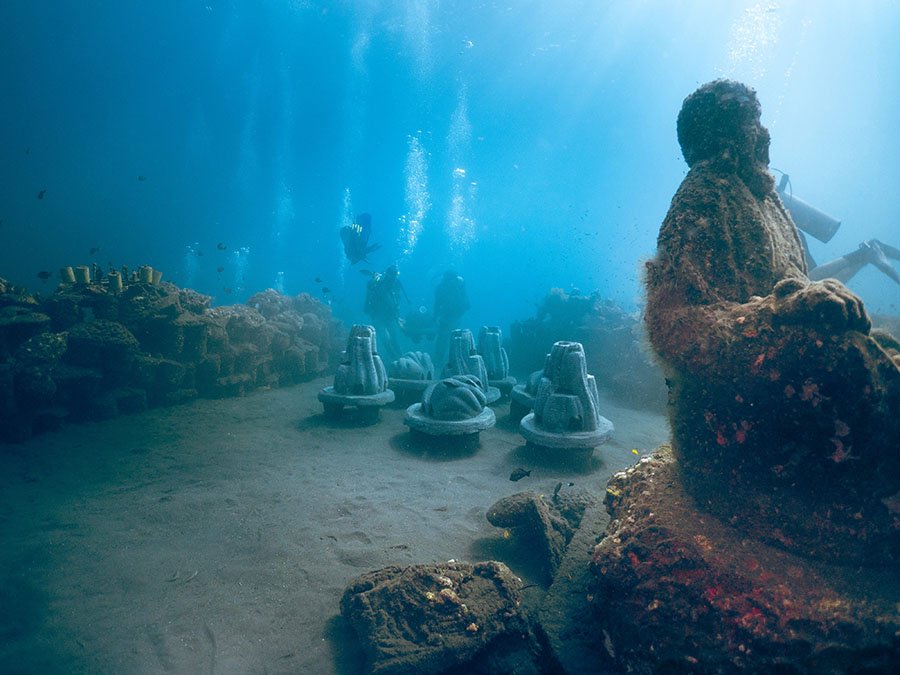
Incorporating ashes into a coral reef project creates a living, eco-friendly tribute that contributes to marine conservation. Companies like Eternal Reefs mix ashes with environmentally safe materials to form reef balls that support ocean life. This option not only honours your loved one but also leaves a lasting positive impact on the planet. Additionally for pet memorials, Resting Reef offer a wonderful service featuring stunning modern designs and reef installation on the beautiful island of Bali.

Memorial Fireworks Remembrance Ideas

7. Incorporate Ashes into Fireworks

Transforming ashes into fireworks allows you to celebrate a loved one’s life in a visually stunning way. These bespoke fireworks displays offer a joyful, celebratory approach to remembrance, creating a shared moment of beauty and connection for family and friends. It’s a way to light up the sky in their honour, making their memory shine bright.

8. Cremation Ink Tattoos

For those who want a permanent and personal tribute, incorporating ashes into tattoo ink is an intimate way to keep your loved one close. This process blends a small amount of ashes into the tattoo ink, allowing you to carry their memory with you. It’s a deeply personal choice for those who find meaning in physical symbols of love and loss.

scattering ashes

9. Scatter the Ashes in a Meaningful Location

Scattering ashes in a place that holds special significance is a traditional yet poignant way to honour someone. Whether it’s a favourite beach, mountain, or garden, the act of scattering can bring peace and closure. Be sure to check local regulations before proceeding.

10. Incorporate Ashes into Jewellery or Art

Transforming ashes into wearable jewellery or incorporating them into a piece of art offers a unique way to keep a loved one physically close. Some companies such as Lovelox specialise in embedding ashes into pendants, rings, or bracelets, while some artists can integrate ashes into sculptures or paintings. These pieces double as personal mementos and daily reminders of your connection.


Choosing the Right Memorial

Deciding what to do with ashes after cremation is an intensely personal journey. Whether you prefer artistic urns, celestial adventures, or eco-friendly tributes, the most important choice is one that feels right for you and your family. At urn studios, we’re here to support you with beautifully designed urns that embody individuality and artistry. Explore our collection or get in touch to discuss how we can help you honour your loved one’s memory.

What to Do When Your Pet Dies

pet grief loss dog cremation cat memorial urn

What to Do When Your Pet Dies

A Gentle Guide for Saying Goodbye

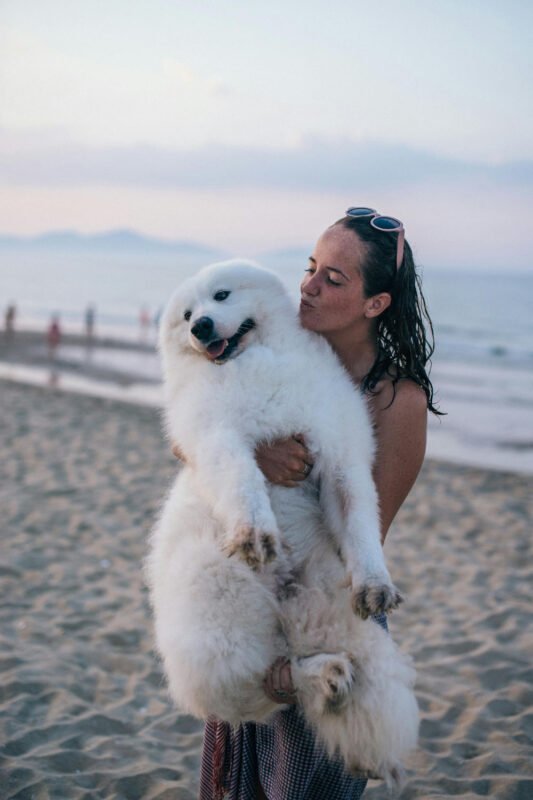
Losing a pet is one of the most emotional experiences we face. They’re not just pets, they’re our companions, our family, and often our greatest source of comfort. When they pass, it can leave an enormous space in our lives. If you’re going through this right now, we’re truly sorry. It’s okay to feel overwhelmed, and it’s okay not to know what to do next.

This guide offers gentle suggestions for what comes after your pet’s passing, from immediate steps to longer-term ways to honour their memory, including options like cremation, burial, and meaningful keepsakes.

urn studios pets cat urn for ashes uk handmade

Take the Time You Need to Say Goodbye

Before anything else, let yourself grieve. Whether your pet passed at home or at the vet, give yourself and your loved ones a moment to say goodbye in whatever way feels right.

Some people wrap their pet in a favorite blanket, light a candle, or just sit quietly with them. Others play soft music or share stories. If you have kids, involving them can help too, they might want to draw a picture, write a note, or simply be there. These small rituals can be surprisingly comforting.

pet loss fried comtemplation

Thinking About Burial or Cremation

After those first quiet moments, you’ll need to decide what to do with your pet’s body. This is never an easy decision, but knowing your options is the first step.

Burial: Creating a Peaceful Resting Place

If you prefer something close and personal, a home burial might feel right (just make sure to check your local regulations). You might choose a spot under a tree, in a garden, or somewhere your pet loved to be. Adding a stone, flowers, or a little marker can turn it into a comforting place to return to.

Alternatively, a pet cemetery offers a formal resting place with professional care. These often include engraved markers and peaceful surroundings where you can visit whenever you like.

Cremation: Keeping Them Close or Letting Them Go

Cremation is another common choice. You’ll typically choose between:

  • Private cremation: Your pet is cremated individually, and the ashes are returned to you.
  • Communal cremation: Multiple pets are cremated together, and the ashes aren’t returned.

If you choose cremation, there are many thoughtful ways to honour the ashes, whether you keep them close, release them in a meaningful place, or both.

dog pet cremation

Ways to Remember Them with Love

Once you’ve decided on burial or cremation, you may want to create or find a tribute that reflects your pet’s spirit and the bond you shared. Here are a few ideas:

Keep Their Ashes in a Cremation Urn

If you’d like to keep your pet’s ashes, a memorial urn can be a quiet, beautiful reminder of their presence. Many people place the urn alongside a photo, a collar, or a favorite toy, whatever makes it feel like home.

At urn studios pets, we offer artistic pet urns handmade with care, each one designed to hold both memories and meaning.

handmade dog urn pets uk

Scatter the Ashes Somewhere Special

You might also choose to scatter some or all your pet’s ashes in a place they loved, maybe a forest path, the beach, or your own backyard. It can be a peaceful, healing moment. Some people bring flowers, say a few words, or simply take a breath and remember.

Plant a Tree or Garden in Their Memory

Turning grief into something that grows can be incredibly powerful. Planting a tree, a flower bed, or even a single rose bush in your pet’s memory creates a living tribute that changes with the seasons, and carries their memory forward.

Create a Keepsake or Piece of Jewellery

If you are looking for something you can carry with you, keepsakes like pendants, charms, or tiny urns can hold a small amount of ashes, fur, or a paw print. These pieces are subtle, personal reminders that can bring comfort on tough days.

Share the Ashes with Loved Ones

If your pet was loved by more than one person, you can divide their ashes into small keepsake urns so that everyone has a piece of remembrance. It’s a way to honour both your shared loss and your individual connection.

pet grief child loss urn ashes rabbit

Consider a Pet Columbarium or Cemetery Plot

If you’d prefer not to keep the ashes at home, placing them in a pet columbarium (a space dedicated to pet memorials) or in a cemetery plot provides a dignified place to visit and remember.

handmade cat urn uk

There’s No Wrong Way to Say Goodbye

This part is so important: everyone grieves differently, and every pet is unique. There’s no one-size-fits-all answer when it comes to saying goodbye. What matters most is that it feels true to you and your relationship with your pet.

Whether you choose a quiet garden burial, a handmade urn on your shelf, or a tree that grows in their honour, trust yourself. Give yourself permission to grieve, to remember, and to heal at your own pace.

And if a handmade urn feels like the right tribute, we’re here to help, and would be honoured to be part of your final farewell.


Considerations When Choosing a Memorial Urn

Considerations when Choosing a Memorial Urn

This deeply personal and meaningful decision presents an opportunity to honour and celebrate the life of a loved one in a way that reflects their unique character and legacy. There are many factors to consider when selecting the right urn, from aesthetic appeal to the practicalities of size and material. Below, we’ll explore key elements to guide you through the process of choosing the perfect memorial urn.


Memorial Urn Handmade Modern Art Contemporary

1. Aesthetic: Reflecting Their Character and Uniqueness

The memorial urn you choose should embody the personality, passions, and spirit of the individual it represents. Think of it as a tribute, not just to their life, but to who they were. Whether they had a love for nature, a taste for the refined, or a penchant for simplicity, the urn should reflect those qualities. A thoughtfully selected urn will capture the essence of their character, offering a lasting reminder of their unique legacy.

There are countless designs available, from ornate to minimalist, rustic to modern, each serving as a visual expression of the deceased’s individuality. By choosing an urn with an aesthetic that resonates with their essence, you ensure that the memorial is both respectful and meaningful, creating a lasting tribute that reflects their life.


Memorial Urn Handmade Modern Art Contemporary

2. Size: Practicality Meets Personality

Size is primarily a practical consideration, but it can also reflect aspects of the person’s life. The average volume needed for the complete ashes of an adult is around 3.5 liters, but this can vary depending on the individual and their physical size.

If you’re planning to share the ashes among family members or scatter them in a special location, smaller urns may be more appropriate. For those who wish to keep the urn in their home or at a place of significance, a larger urn might be more fitting. It’s important to choose a size that meets both the practical needs of holding the ashes and aligns with your emotional intentions for the urn’s use.


Memorial Urn Modern Art Contemporary

3. Purpose: Understanding Its Role

Before selecting an urn, it’s important to consider its intended purpose. Will it be displayed in the home as a memorial? Will it be placed in a columbarium niche, buried, or perhaps used for scattering? Will part of the ashes be shared among family members? Understanding the purpose of the urn will guide you in selecting the right style, material, and design.

If the urn will be kept in the home, you may want to select something that complements the décor and can be displayed as a thoughtful reminder. For interment or scattering, consider an urn that is biodegradable or one designed to break down over time. Ultimately, knowing how the urn will be used will help you make a more informed choice.


Ceramic Memorial Urn Handmade

4. Materials: Symbolism and Durability

The material of the urn is a significant factor that influences both its appearance and durability. Common materials include wood, metal, ceramic, and biodegradable options. Each material carries its own symbolism and aesthetic appeal, and the choice should reflect the personality or values of the deceased.

For example, a wooden urn may evoke a sense of natural beauty and warmth, while a metal urn might symbolize strength and permanence. Ceramic urns are often associated with artistry and craftsmanship, making them ideal for those who appreciated fine details. Biodegradable urns are a beautiful choice for individuals who were passionate about nature and sustainability. Select a material that resonates with the departed’s personality and the sentiment you wish to express.


Choose Ceramic Memorial Urn Handmade

5. Permanence: How Long Will the Memorial Last?

Another important consideration is the permanence of the urn. Some urns are designed for long-term preservation, intended to keep the ashes safe for generations. These urns are often made from durable materials like metal or stone and are designed to withstand the test of time.

Other urns are crafted with biodegradability in mind. These are often made from natural materials such as wood, bamboo, or special eco-friendly ceramics. They are designed to break down over time, offering a gentle return to nature, making them a fitting choice for those who had a strong connection to the earth or environmental causes.

The level of permanence you desire for the urn will depend on the individual’s wishes, the family’s needs, and the desired vision for remembrance. Whether you choose a long-lasting urn or one designed to return to the earth, it’s important to align the urn’s longevity with its intended use and emotional significance.


Conclusion

Choosing a memorial urn is an important decision that involves both practical and emotional considerations. By carefully considering the aesthetic, size, purpose, material, and permanence of the urn, you can select a meaningful tribute that reflects the uniqueness of your loved one. Whether you choose a durable, long-lasting urn or one designed to return to nature, it’s the thoughtfulness behind your choice that will make the memorial a lasting and cherished part of your loved one’s legacy.

5 Wonderful Books About Grief

books about grief

5 Wonderful Books About Grief

When dealing with grief, even a list of a thousand books might fall short.

This small selection is presented in the hope that it contains something to provide solace, or at least point the way towards something that does.


Grief is the Thing With Feathers by Max Porter

This poetic novella features a giant crow moving in with a bereaved family after the mother’s death. Through this semi-allegory, Porter captures how loss disrupts a family, stretching space and logic in surreal ways. Narrated by two boys, their father, and a shapeshifting crow, it is a funny, frightening, and loving exploration of magical thinking that offers fierce comfort by illuminating pain.


Sad Book by Michael Rosen

Written about the sudden death of Rosen’s son Eddie, this concise book shows how grief’s complexity can be conveyed through simple words and images. “Who is sad?” Rosen writes. “Sad is anyone. It comes along and finds you.” Though not strictly a children’s book, it acknowledges how deeply grief can resonate with the child within us. Quentin Blake’s grey wash illustrations create a space for sadness to breathe.


You Are Not Alone: A New Way to Grieve by Cariad Lloyd

Lloyd’s book draws on excerpts from her award-winning podcast “Griefcast,” featuring those who have lost loved ones, and her own experience of grief after her father died when she was 15. This outward-reaching guide is filled with humility and humour, offering additional resources and a “handrail through the grief fog.”


Time Lived, Without Its Flow by Denise Riley

Sixteen months after her son’s sudden death, Riley describes being “superficially ‘fine’” but with “an unseen crater blown into my head.” Using diary-like intervals, Riley brings her poetic skill and formal grace to this tender, philosophical account of the “altered condition of life” and the “stopping of time” following the death of a loved one.


Late Fragments: Everything I Want to Tell You (About this Magnificent Life) by Kate Gross

Diagnosed with terminal bowel cancer at 34, Gross wrote this beautiful memoir-cum-commonplace book as a way to articulate her grief for the things she would not live to see and as a legacy for those she left behind. It is a clear-eyed and extraordinarily uplifting book.

When Do We Die?

clouds

When do we Die? A Reflection on Life, Legacy, and Memory

Death, often perceived as a single, definitive moment, is far more complex than the cessation of breath or the silence of a heartbeat. Our existence as humans is layered, interwoven with the lives we touch, the stories we create, and the legacies we leave behind. So, when do we truly die? Is it the moment the body falters, or does death stretch beyond that moment, sometimes arriving long before it, other times long after?

Exploring five profound forms of human “death” reveals that the boundaries of life and loss are fluid, offering us deeper insights into what it means to live fully and remember meaningfully.

clouds

1. The End of the Body: Physical Death

Physical death is the most immediate and undeniable form of dying. It’s the biological conclusion of life, the stilling of a pulse, the exhalation of a final breath. For many, this moment is definitive. Yet, physical death need not mark the end of presence. Across cultures and centuries, humans have created rituals and artefacts to preserve the essence of those who’ve passed.

Consider memorial urns, not merely containers for ashes, but vessels of memory and connection. These objects become symbols of life, holding within them stories, relationships, and expressions of love. Through art and ritual, we ensure that physical death does not sever the bonds we’ve nurtured.

2. The Loss of Connection: Social Death

Social death arises when someone is forgotten, overlooked, or excluded, either during life or after. It can manifest in moments of profound isolation or as a slow erosion, when names and stories fade from communal memory.

But this type of death is not inevitable. We have the power to resist it by keeping the memories of our loved ones alive. Sharing anecdotes, participating in remembrance ceremonies, and creating spaces for communal mourning can help sustain a connection that transcends time. By keeping their names and legacies in conversation, we affirm their presence in our hearts and lives.

3. The Quiet Despair: Emotional or Spiritual Death

Sometimes, death occurs not in the body, but in the soul. Emotional or spiritual death takes root when we lose hope, purpose, or passion. It can feel like a withdrawal from life, a quiet extinguishing of light within.

Yet grief and despair, while heavy, are not destinations, they are pathways. Through acts of gratitude and celebration, we can attempt to rekindle that inner light. Appreciation of life’s fragility and beauty encourages us to transform sorrow into reverence, reigniting a connection to ourselves and the world.

4. The Vanishing Identity: Cultural Death

Cultural death occurs when traditions, stories, and practices that once defined a community fade into obscurity. It is the slow erosion of identity, often unnoticed until it’s too late. This loss disconnects us from our roots, leaving a void where rituals and shared histories once thrived.

Preserving culture is an act of resistance. Whether through storytelling, artistic expression, or the revival of lost traditions, we can ensure that the narratives and practices of our ancestors endure. By reclaiming these spaces, we honour not only the past but also the resilience of human connection.

5. The Fading Impact: The Death of Legacy

Legacy is what lingers after we are gone, the ripples of our existence shaping future generations. The death of legacy occurs when these ripples fade, leaving no trace of the lives once lived.

However, legacies do not have to vanish. They can be cultivated intentionally, through the stories we tell, the values we instil, and the artefacts we leave behind. Memorials, whether grand or humble, serve as bridges to the future, ensuring that our impact endures.

Keeping Memory Alive: An Act of Love

Death, in its many forms, is inevitable. But life does not have to end when the body ceases. By resisting social, emotional, cultural, and legacy deaths, we can extend the presence of those we love, and ourselves, far beyond the physical realm.

At urn studios, we strive to reframe how we approach remembrance. Our handmade urns are more than vessels for ashes, they are timeless works of art, carrying stories, traditions, and legacies into the future. These creations help families keep their loved ones close, not just in mourning, but in celebration of a life well-lived.

To remember is to honour. To honour is to ensure that those we’ve lost continue to live in our hearts, actions, and communities. For perhaps the truest death is not the cessation of life, but the moment we are forgotten. Let us resist that moment with love, connection, and creativity.